
Blog
Education Builds Understanding
Ship Burials, Bog Deposits, Runestones: What the Archaeological Record Actually Tells Us About Norse Worship
The textual sources for Norse religion were written by Christians. The archaeological evidence was created by the practitioners themselves. Here is what ship burials, votive deposits, and runestones actually tell us about how the Norse worshipped, and where the material evidence runs out.
The Anti-Christian Fringe in Greek Hellenic Revivalism, and Why It Isn’t the Whole Story
A small, vocal fringe within Greek Hellenic religious revival has used openly anti-Christian and occasionally extremist rhetoric. Addressing it directly, and proportionately, matters more than pretending it does not exist.
The Celts Were Not a Race: Understanding Celtic Identity Without the Mythology of Blood
There is a persistent idea floating around Celtic pagan spaces that Celtic identity is primarily about ancestry. That being Irish, Scottish, Welsh, or of Irish, Scottish, or Welsh descent gives you some special claim to Celtic spiritual practice. That your DNA is the…
What Tacitus Got Right and Wrong: How to Read the Germania as a Primary Source
Tacitus was not writing a field guide to Germanic religion. He was writing a political critique of Rome. That does not make the Germania useless. It makes it a document you have to know how to read. Here is what survives the scrutiny and what does not.
Latest Posts
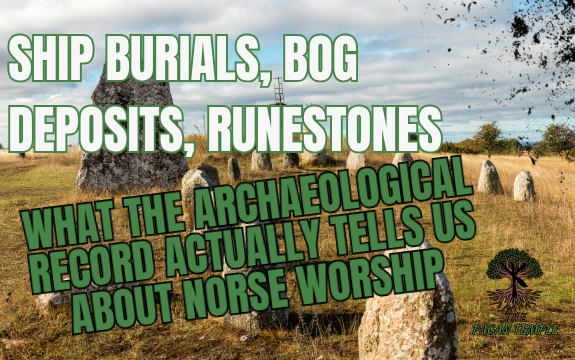
Ship Burials, Bog Deposits, Runestones: What the Archaeological Record Actually Tells Us About Norse Worship
The textual sources for Norse religion were written by Christians. The archaeological evidence was created by the practitioners themselves. Here is what ship burials, votive deposits, and runestones actually tell us about how the Norse worshipped, and where the material evidence runs out.
The Anti-Christian Fringe in Greek Hellenic Revivalism, and Why It Isn’t the Whole Story
A small, vocal fringe within Greek Hellenic religious revival has used openly anti-Christian and occasionally extremist rhetoric. Addressing it directly, and proportionately, matters more than pretending it does not exist.
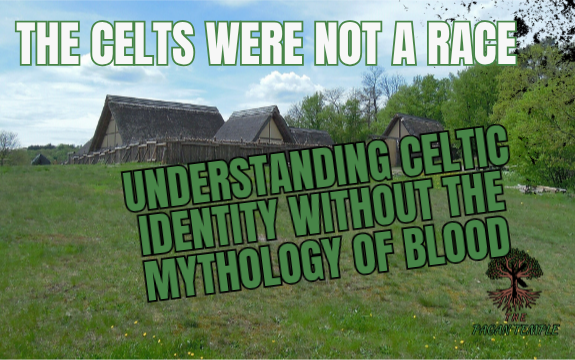
The Celts Were Not a Race: Understanding Celtic Identity Without the Mythology of Blood
There is a persistent idea floating around Celtic pagan spaces that Celtic identity is primarily about ancestry. That being Irish, Scottish, Welsh, or of Irish, Scottish, or Welsh descent gives you some special claim to Celtic spiritual practice. That your DNA is the…